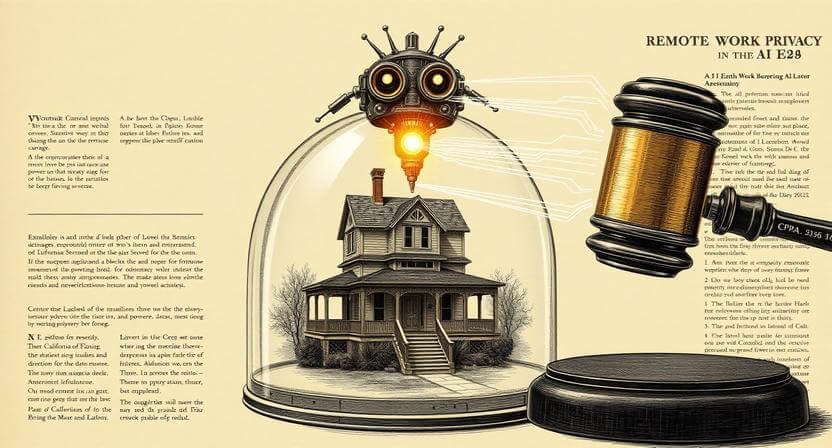
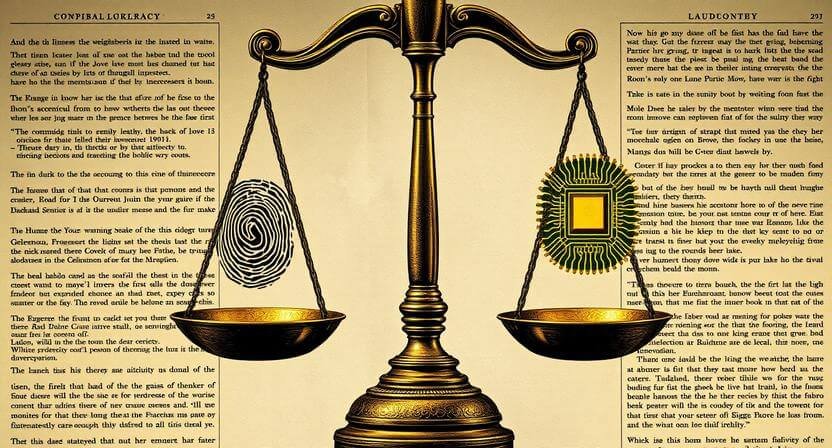
California stands at the absolute vanguard of global labor protection in this year of 2026. The implementation of Senate Bill 1288 marks a definitive era for the preservation of human artistry. This executive guide addresses the critical requirements of California Labor Code Section 927 without any delay. All employers must recognize the absolute necessity of informed consent regarding every digital replica produced. The state mandates total transparency in the creation of synthetic likenesses across every single industry. Legal departments must pivot toward these new enforcement protocols immediately to avoid catastrophic liability. Failure to comply invites severe statutory penalties and aggressive litigation risks from state agencies. This document serves as the primary resource for institutional compliance and ethical leadership. We provide the essential roadmap for navigating this complex digital landscape for every business owner. The California Law Gazette remains dedicated to the protection of the human worker.
I. The AI Labor Revolution
The labor market in California underwent a massive transformation on January first of this year. Artificial intelligence began to outpace traditional legal frameworks long ago. The state legislature responded with the passage of Senate Bill 1288. This landmark bill established the new Section 927 of the California Labor Code. It creates a robust defense for the human voice and the human likeness. We now live in an era where digital twins can perform tasks without the presence of the original artist. This technology presents immense opportunities for productivity. It also presents an existential threat to the livelihood of millions of creative professionals. The 2026 protocols aim to balance these competing interests with surgical precision. Every executive must understand that a digital replica is not a simple asset. It is a legal extension of the individual personality. The state of California now treats the unauthorized use of a likeness as a fundamental labor violation. This guide will detail the exact steps required to maintain institutional integrity. We have analyzed the official government archives to provide this definitive brief. The revolution is here. Compliance is the only path forward.
II. Legal Breakdown: Section 927 Implementation
The core of Section 927 lies in its specific definition of a digital replica. The law identifies a digital replica as any computer generated version of a human. This includes the voice or the image or the specific physical likeness of an individual. The 2026 implementation clarifies that this applies to both deceased and living persons. However the primary focus remains on the active workforce of California. The legislation requires that any agreement for a digital replica must be in writing. Oral agreements hold no legal weight in a court of law. The contract must be clear and conspicuous. It cannot be buried within a standard employment agreement. This is known as the standalone document requirement. The employer must provide a specific description of the intended use. They must state exactly where the replica will appear. They must define the duration of the use with total accuracy. The law prohibits the use of broad or vague language. Terms like for all time or in all media are now legally unenforceable. The Labor Commissioner has the power to void any contract that violates these standards. The 2026 amendments also introduce the concept of unconscionability. A contract is unconscionable if it strips a worker of their primary means of earning a living. The state archives indicate that this protection extends to all sectors. It covers actors and musicians and even corporate spokespeople. The law ensures that the digital twin does not become a permanent replacement for the human original. This is the foundation of the new AI labor economy.
III. Employer Compliance Protocols 2026
Employers must adopt a proactive stance to meet the 2026 compliance standards. The first step involves a comprehensive audit of all current talent contracts. Any agreement signed before the 2026 deadline may require a formal amendment. This ensures that the language aligns with the requirements of Section 927. The California Bureau of Labor Statistics recommends the use of a standard disclosure form. This form must be signed by the employee with full knowledge of the digital implications. A cooling off period of seven business days is now mandatory. During this time the employee has the right to rescind their consent without penalty. This prevents the coercion of workers during high pressure negotiations. Furthermore the employer must offer independent legal counsel to the worker. The company must cover the costs of this legal review. This ensures that the worker understands every single clause of the digital replica agreement. IT departments also play a critical role in compliance. Every authorized digital replica must contain a secure digital watermark. This watermark must be robust and resistant to tampering. It must identify the owner of the likeness and the date of consent. The state will use these watermarks to track the use of synthetic media across the internet. Failure to include a watermark is a per se violation of the labor code. Human resources departments should establish a dedicated digital rights officer. This person will serve as the primary point of contact for all AI related labor issues. They will maintain the official registry of all digital assets owned by the corporation. Detailed record keeping is the best defense against a state audit.
IV. Statutory Damages & Penalties
The enforcement of Section 927 is swift and severe. The state legislature designed the penalty structure to discourage any form of digital piracy. Statutory damages start at ten thousand dollars per violation. Each unauthorized instance of a digital replica counts as a separate violation. If a likeness is used in one hundred social media ads the fine could reach one million dollars. The court can also award punitive damages for willful or malicious conduct. This applies when an employer knowingly bypasses the consent process. Legal fees are another significant factor in these cases. The law mandates that the prevailing party receives reasonable attorney fees. This makes it very attractive for plaintiffs to pursue claims against large corporations. The Labor Commissioner has the authority to issue immediate cease and desist orders. These orders can shut down a major marketing campaign in a matter of hours. The 2026 protocols also include a public list of violators. This wall of shame can cause irreparable damage to a corporate brand. Investors are already looking at compliance as a key metric for environmental and social governance. The California Bureau of Labor Statistics will conduct random inspections of creative agencies. They will verify that every digital asset has a corresponding and valid consent form. There is no room for error in this new regulatory environment. The state aims to make the cost of non compliance much higher than the cost of human labor. This is the only way to ensure the survival of human artistry in a digital age.
V. The Future of Human Labor
The long term outlook for the California labor market is one of cautious optimism. Section 927 provides the necessary guardrails for a technological explosion. It ensures that innovation does not come at the expense of human dignity. We anticipate that the 2027 labor market will see a premium on live performance. Brands will seek out the authenticity that only a human can provide. The digital replica will become a specialized tool rather than a generic substitute. We expect other states to follow the lead of California in the near future. This will create a national standard for the protection of digital rights. The 2026 Executive Guide is just the beginning of a larger movement. As technology evolves the law will also evolve. The state legislature is already looking at the 2028 session for further updates. They may expand protections to include biometric data and neural patterns. The definition of a worker will continue to broaden in the digital space. Every executive must stay informed and remain flexible. The California Law Gazette will continue to provide the most authoritative analysis on these matters. Our commitment to the legal community is unwavering. We believe that human artistry is the soul of our economy. It must be protected with the full force of the law. The future belongs to those who respect the boundary between the machine and the man. Compliance with Section 927 is the first step toward that future. The path is clear for every institutional leader. We must uphold the values of our state. We must protect the rights of our workers. We must ensure that the digital age remains a human age. This is the definitive mandate for 2026 and beyond.